
Ledger.com/Start® | Getting started®™ — Ledger Support
Ledger.com/start provides useful information for configuring your Ledger device and accessing wallet tools for accounts, holdings, balances, and crypto activity.
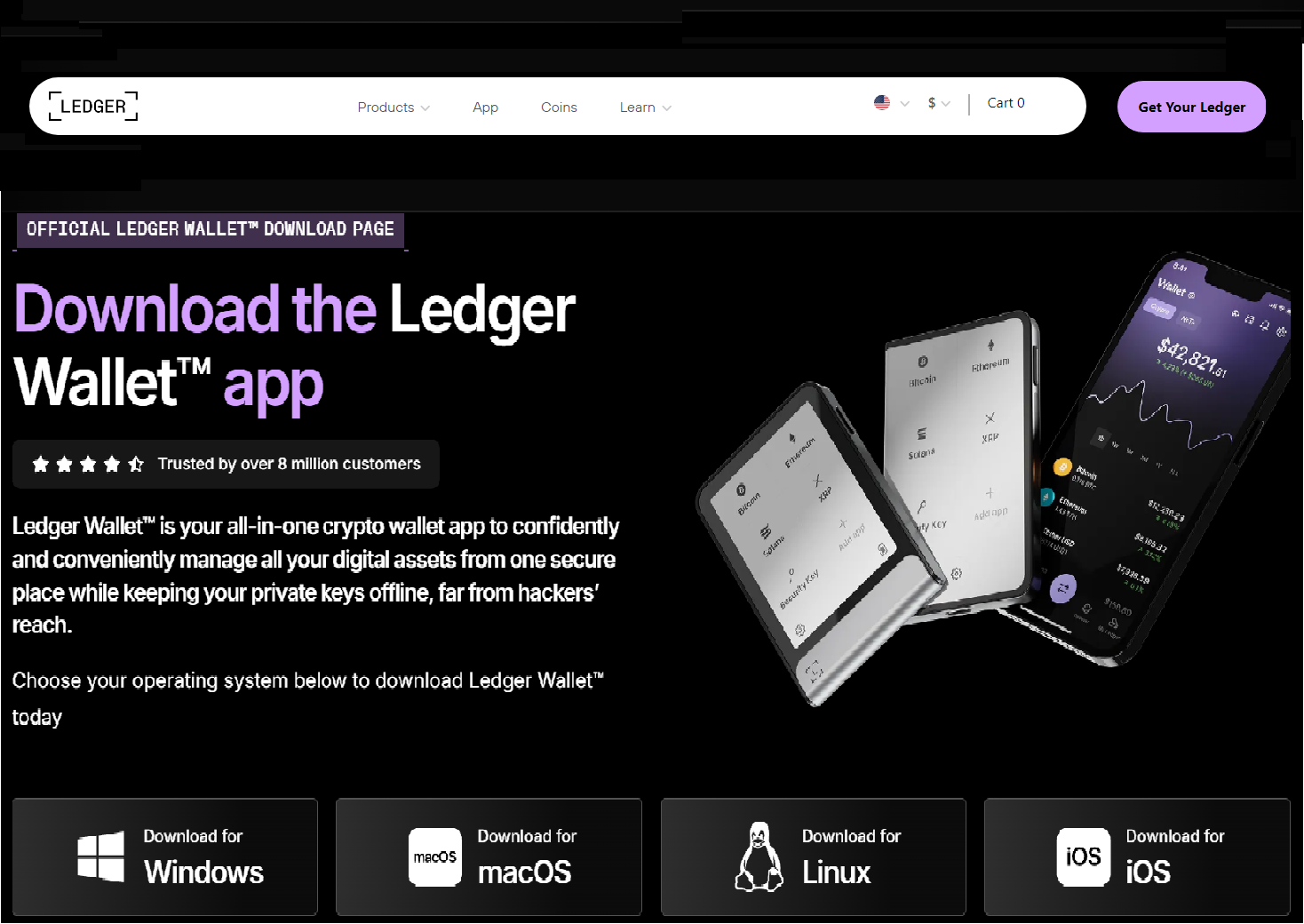
Ledger.com/start: A Practical Guide to Creating a Reliable Wallet Routine
Getting started with a hardware wallet is not only about completing the initial setup. A good experience also depends on developing a clear routine for future wallet sessions. The Ledger.com/start journey can help new users understand the important steps involved in preparing a device, connecting it appropriately, and learning how to manage digital assets with greater care.
Begin With the Right Environment
Before starting your Ledger wallet setup, choose a computer that you control and a private environment where you can concentrate. Avoid performing important wallet operations while using an unfamiliar computer or a public workstation.
A quiet workspace also makes it easier to read instructions and verify information displayed on your device. Rushing through setup can lead to mistakes, so taking a few extra minutes to prepare is worthwhile.
Follow the Setup Process Carefully
The Ledger.com/start process is designed to guide users through the fundamentals of getting started. When following setup instructions, read each screen rather than automatically selecting the next option.
Your hardware wallet and its accompanying software may display important information during setup. Take time to understand what each step is asking you to do. If something looks unexpected, pause and investigate before continuing.
The most important information associated with wallet recovery should be handled privately. Never enter sensitive recovery information into websites, messages, forms, or applications simply because someone claims it is required for support.
Build a Personal Wallet Routine
Once the initial setup is complete, create a simple routine for future sessions. For example, you can begin each session by checking that you are using the intended computer and legitimate wallet software.
Before approving a transaction, review the destination, asset, amount, and network information. The purpose of this routine is to create a deliberate pause between preparing a transaction and approving it.
A consistent process becomes particularly useful when you are managing several assets or accounts. Instead of treating every transaction as an isolated event, use the same verification habits each time.
Keep Public and Private Information Separate
Crypto wallets involve information that can safely be shared and information that must remain confidential. Receiving addresses and transaction details can often be visible publicly, while recovery information is fundamentally different.
Understanding this distinction is an important part of responsible wallet management. If someone requests confidential recovery information through email, social media, chat, or another communication channel, treat the request with extreme caution.
Review Your Wallet Periodically
Wallet management should not stop after the first successful setup. Periodically review your accounts, connected software, transaction history, and general security habits.
You can also use these reviews to remove unnecessary confusion from your workflow. Keeping accounts organized and knowing which assets belong to each account can make future transactions easier to verify.
Prepare Before Important Transactions
For a significant transaction, avoid working quickly. Confirm the recipient information and transaction details before approval. If appropriate, consider using a smaller transaction first when dealing with an unfamiliar destination or workflow.
This approach creates another opportunity to identify mistakes before committing a larger amount.
Final Thoughts
The Ledger.com/start experience can be viewed as the beginning of a longer wallet-management process rather than a single setup task. Preparing a private workspace, following instructions carefully, protecting recovery information, reviewing transactions, and maintaining an organized routine can make everyday wallet management more structured.
The strongest habits are often simple ones: slow down, verify important details, protect confidential information, and investigate anything that seems unusual before continuing.
Updated about 4 hours ago